Highlights
- The festival centres on Mutharamman Temple in Kulasekarapattinam.
- Devotees adopt Kali and several other symbolic guises.
- The described practice connects collected alms with offerings to the Goddess.
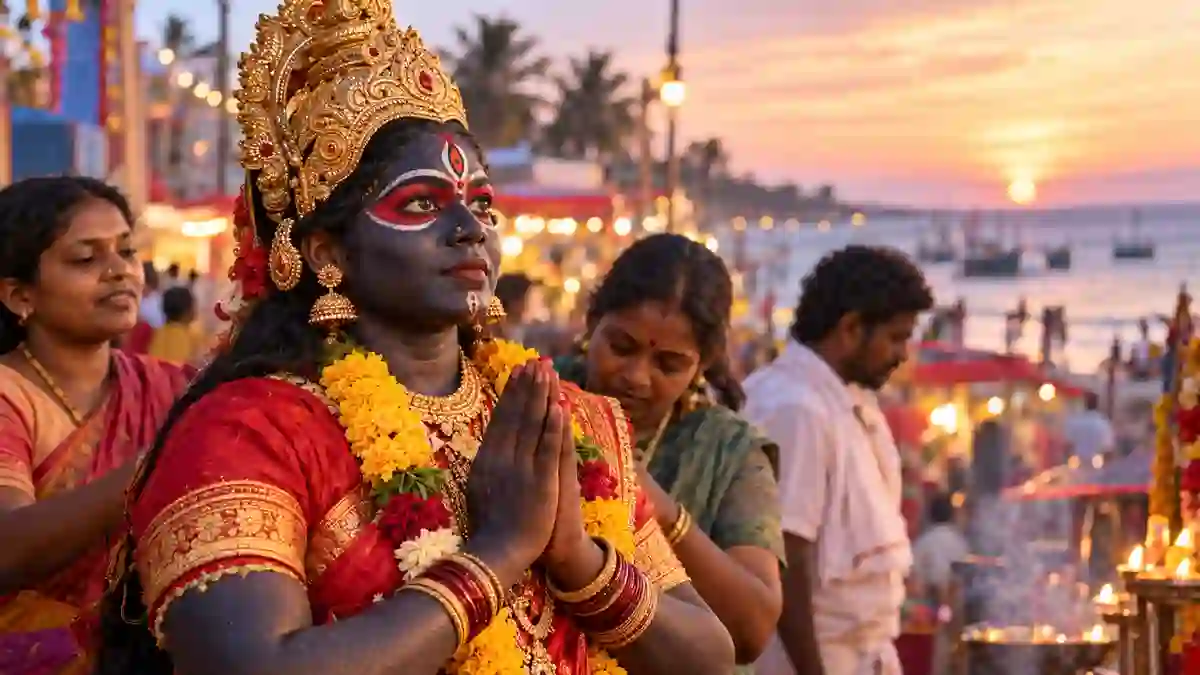
Kulasai Dasara centres on the Mutharamman Temple in Kulasekarapattinam, in Tamil Nadu’s Thoothukudi district. Devotees adopt sacred and other symbolic guises, including Kali. Vesham means a guise or assumed appearance; here, understanding the person’s religious purpose matters as much as seeing the makeup.
A 2025 DT Next account describes participants taking vows and collecting alms before making offerings to the Goddess. For a reader encountering these images for the first time, that changes the question. Instead of “Who is putting on a show?”, ask “What promise is this person observing?”
Not every participant has the same personal story. The sources do not justify deciding a stranger’s motive from their clothing, or claiming that every costumed person follows one identical set of rules.
The detail that changes how you see the procession
Tamil Nadu Tourism explains that devotees in elaborate guises receive alms from worshippers and that these are donated to the Goddess. The collection is connected with an offering—not just the spectacle that first attracts a visitor’s attention.
Think of the visible elements as a sequence: an adopted form, an encounter with other worshippers, and an offering. That is our reading of the described practice, not a claim to know every participant’s private experience.
We are not prescribing an amount or saying every collection is handled in exactly the same way. If you want to contribute, ask locally how to make a respectful offering. Do not turn a religious exchange into a demand for a photograph.
Why Kali—and is everyone dressed as the same deity?
Kali is one of the figures portrayed, not the only one. The state tourism description also mentions royal and animal guises. The festival belongs to the Mutharamman Temple; a devotee’s Kali appearance should not make us rename the shrine or assume all participants represent Kali.
The variety is part of what makes a single photograph an incomplete introduction. A crown, face paint or animal guise can draw the viewer in, but cannot explain a whole community’s tradition on its own.
Religious ideas of divine presence belong to the realm of belief and lived devotion. This guide does not present possession, miraculous transformation or guaranteed blessings as independently established facts.
There may be a long preparation behind a momentary photograph
DT Next’s 2025 feature describes demanding preparation for Kali devotees, including an extended period of penance. That is a report about a tradition, not a verified 2026 rulebook for every participant.
We deliberately do not convert one account’s fasting duration, food restrictions or dress details into universal instructions. Anyone considering participation should speak to the temple and experienced local practitioners about eligibility, preparation and the responsibilities involved.
For an observer, this is a useful reminder: the moment that takes a second to photograph may belong to a much longer act of devotion. Ask permission before interrupting it.
The story worth passing on
The shareable discovery is not simply “people dress as Kali”. It is the change in perspective: what looks like a costume to a visitor may be part of someone’s devotion and offering.
If you share the story, share that context too. Surprise opens the door; understanding is what makes the story worth keeping.
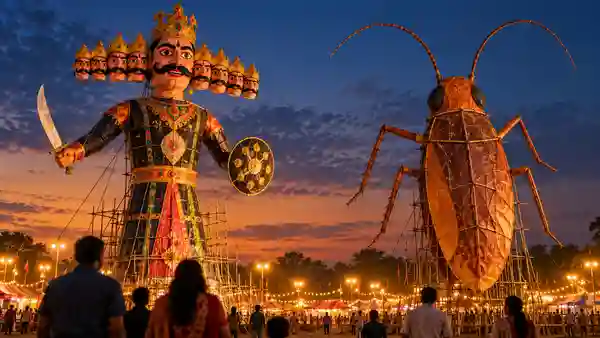
Curious about another very different Dussehra story? Read our Delhi Dussehra effigy explainer. Planning a Tamil Nadu pilgrimage instead? Start with the Rameswaram Temple guide; it is a separate destination, not a claim that both visits fit into one day.
Planning your visit
How to look closer without turning worship into a performance
- Ask before photographing. A person in striking makeup is not automatically posing for visitors. Respect a refusal and do not interrupt preparation or prayer.
- Use accurate captions. “A devotee in Kali vesham at Kulasai Dasara” gives more context than a claim that a deity was physically photographed.
- Ask open questions. If someone welcomes conversation, ask what their participation means to them. Do not supply a sensational answer on their behalf.
- Keep the route clear. Follow staff and police directions rather than stepping into a procession to improve your camera angle.
- Do not assume permission to participate. Watching a public celebration and undertaking a sacred guise are different things.
These are RouteTales’ editorial suggestions for respectful travel, not quoted temple admission rules. The most memorable detail may be the one someone chooses to explain—not the most dramatic close-up.
Planning a 2026 visit: separate the tradition from the timetable
Thoothukudi district published a 6 October 2026 release about inspections of Dasara preparations at the Mutharamman Temple. The accompanying Tamil PDF discusses visitor safety, entry and exit routes, basic facilities, a temporary bus stand, parking and the beach area. An inspection report does not establish that every facility is operating or available to every visitor.
We have not verified a complete dated 2026 programme, the exact climax time, current traffic diversions, festival transport fares or visitor-specific entry conditions. Do not use a photographer’s tour dates as the temple’s official schedule.
The HR&CE temple page lists regular opening windows of 6 am–1 pm and 4–9 pm, Indian Standard Time, with a warning that festival timings can change. Treat these as regular reference hours, not a confirmed Dasara timetable. Ask the temple which parts of the visit are permitted for your circumstances, including photography and any assistance you need.
Before committing to transport, confirm your day’s programme, permitted drop-off, accommodation and return journey. Do not assume that a coastal ritual makes entering the sea safe. Follow current local safety instructions.
Your quick reference
At a glance
- Where
- Mutharamman Temple, Kulasekarapattinam, Thoothukudi district
- Central curiosity
- Why devotees adopt Kali and other guises
- Meaning of vesham
- A guise or assumed appearance
- Key distinction
- Devotional practice—not simply a costume spectacle
- 2026 evidence
- District preparation inspection released 6 October
- Before travelling
- Reconfirm festival programme, entry, transport and assistance
Common questions
Frequently asked questions
Are the costumed people actors or devotees?
The sources describe devotees adopting guises as part of religious observance. Do not assume a person’s individual purpose without asking.
Does everyone dress as Kali?
No. Kali is one of several sacred and other symbolic guises described at the festival.
Why are offerings collected?
Tamil Nadu Tourism connects alms received by costumed devotees with donations to the Goddess. This guide does not prescribe an amount or a universal collection rule.
Can tourists simply join in wearing a sacred costume?
Do not assume so. Speak with the temple and knowledgeable local practitioners about participation, preparation and any requirements.
Are the regular opening hours the 2026 Dasara schedule?
No. HR&CE warns that festival timings can change; the complete 2026 programme has not been verified here.
Is the article image a real photograph?
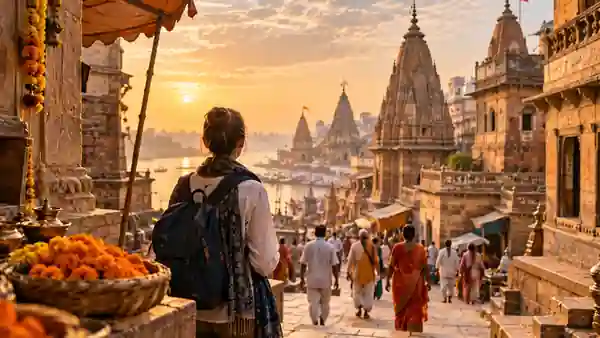
No. It is a clearly labelled AI illustration with fictional people and setting.
Sources & verification & final checks
Sources reviewed on . Prices, timings and access rules can change. Confirm your date and service with the operator; this page does not show live availability.
- Tamil Nadu Tourism: Kulasai Dasara, guises and offerings ↗
- Tamil Nadu HR&CE: official Mutharamman Temple identity and visitor information ↗
- Tamil Nadu HR&CE: regular opening hours and festival-change caveat ↗
- Thoothukudi district: 6 October 2026 Dasara preparation inspection ↗
- District release: Tamil PDF read and visually checked ↗
- DT Next, 27 September 2025: background reporting on vows and preparation, not the 2026 schedule ↗